Growth is usually a good problem to have.
More orders, new customers, expanding product lines, these are all signs that a business is moving in the right direction. But as many companies discover, growth can also put pressure on the systems that once worked perfectly well.
Logistics is often one of the first areas where this pressure appears.
A setup that worked when shipments were smaller and order volumes were predictable can start to struggle when demand increases. What used to feel manageable can quickly become complex, time-consuming, and difficult to scale.
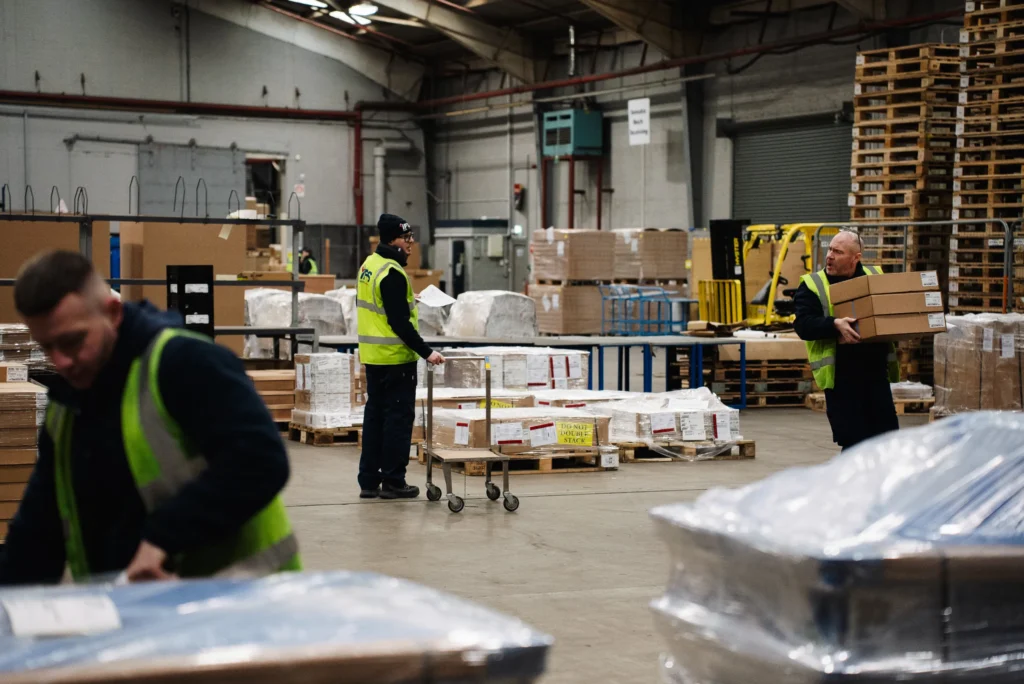
Here are seven signs that your logistics setup may need to evolve as your business grows:
1. Your Team Is Spending Too Much Time Managing Shipments
In the early stages of a business, it’s common for operations or customer service teams to handle logistics alongside other responsibilities.
But as order volumes increase, coordinating shipments, tracking deliveries, managing documentation, and resolving issues can become a full-time task.
If your internal team is spending more time managing logistics than focusing on core business priorities, it may be a sign that your current setup is no longer sustainable.
2. Storage Space Is Becoming a Constant Challenge
Many growing businesses start by storing stock wherever space is available, spare offices, small warehouses, or temporary storage facilities.
Over time, this approach can create problems. Inventory becomes harder to manage, stock levels are difficult to track, and space limitations can restrict how much a business is able to grow.
When storage starts to feel like a constant constraint, it may be time to consider a more structured fulfilment solution.
3. Order Volumes Are Becoming Hard to Keep Up With
As sales increase, the process of picking, packing, and preparing orders can quickly become overwhelming.
What used to be manageable during quieter periods may start to create bottlenecks during busy seasons, promotional periods, or new product launches.
When order fulfilment becomes a daily struggle rather than a routine process, it often signals that logistics systems need to scale alongside the business.
4. Visibility Across Your Supply Chain Is Limited
Growing businesses need clear visibility across their logistics operations, from incoming shipments to inventory levels and outgoing orders.
Without that visibility, it becomes harder to plan stock levels, respond to customer enquiries, or make confident decisions about purchasing and distribution.
If you find yourself relying on spreadsheets, email chains, or manual updates to track inventory and shipments, your logistics setup may be holding the business back.
5. Your Logistics Setup Struggles During Busy Periods
Seasonal spikes, marketing campaigns, and sudden increases in demand can quickly expose weaknesses in a logistics setup.
Businesses that rely on limited space or small internal teams often find these busy periods difficult to manage. Orders can build up, inventory becomes harder to organise, and processes that worked at smaller volumes start to break down.
Scalable logistics systems are designed to handle these fluctuations without creating operational stress.
6. International Shipping Is Becoming More Complex
For businesses importing products or selling to customers in multiple markets, logistics complexity increases significantly.
Managing inbound shipments, customs documentation, storage, and distribution requires coordination across multiple parts of the supply chain. Without the right support in place, this complexity can slow growth and create unnecessary operational challenges.
A more integrated logistics setup can help simplify this process and ensure that goods move smoothly from supplier to customer.
7. Your Logistics Setup Is Limiting Your Ability to Grow
Perhaps the clearest warning sign is when logistics starts to restrict business decisions.
If launching new products, expanding into new markets, or increasing stock levels feels difficult because of storage, fulfilment, or distribution limitations, then logistics is no longer supporting growth, it’s holding it back.
At this stage, many businesses begin exploring more scalable fulfilment and logistics solutions.
A Logistics Setup Designed for Growth
Growth is exciting, but it often exposes the limits of a business’s existing logistics setup.
When order volumes increase and supply chains become more complex, many companies move away from managing logistics internally and begin working with fulfilment partners who can support that growth.
Vendorvillage, the fulfilment and logistics hub from IFS Global Logistics, was created to support businesses at exactly this stage. With warehousing, inventory management, and fulfilment services operating alongside global freight capabilities, businesses can manage stock, imports, and distribution within one coordinated system.
For companies looking to scale, having the right logistics infrastructure in place can make growth far easier to manage.