When businesses are arranging international shipments, the decision often starts with a simple comparison. A container needs to move from one port to another, and several freight options appear to offer the same thing.
On the surface, the differences can seem small.
But anyone who regularly imports goods knows that moving cargo across borders involves far more than booking space on a vessel. Behind every shipment is a chain of coordination, documentation, customs clearance, port handling, supplier communication, and local logistics.
When any part of that process is overlooked, the impact usually appears later.
For many importers, what initially looked like a straightforward freight arrangement can quickly turn into a series of complications that require time, attention, and problem-solving.
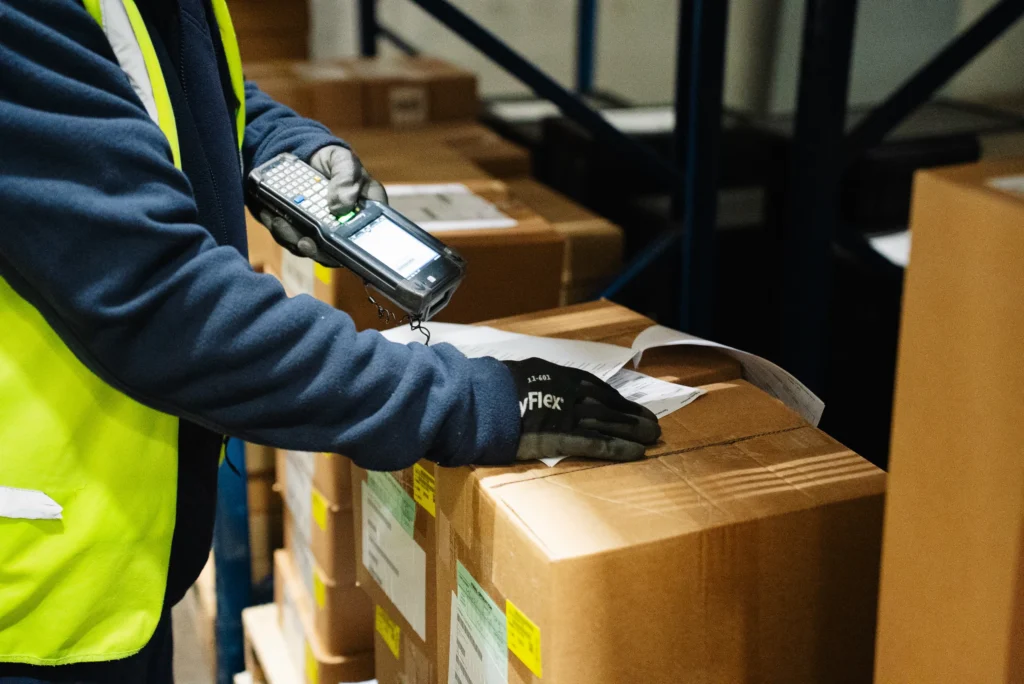
When Communication Breaks Down
International shipping involves multiple parties across different countries, suppliers, shipping lines, port authorities, customs officials, and logistics partners.
Clear communication between all of them is essential.
When importers struggle to reach their freight provider or receive limited updates, even simple questions can become difficult to resolve. A missing document, an unclear instruction from a supplier, or a customs query can stall progress until someone steps in to manage it.
Having a freight partner who actively oversees shipments and keeps communication flowing makes a significant difference when unexpected issues arise.
Documentation: The Detail That Matters Most
Freight forwarding is built on paperwork.
Commercial invoices, packing lists, bills of lading, and customs declarations all need to match precisely. Even small inconsistencies can trigger additional checks or require documents to be amended while cargo is already in transit.
For importers, this often means chasing suppliers, clarifying shipment details, or resolving queries that could have been avoided with careful preparation from the start.
Experienced freight forwarders focus heavily on getting documentation right before cargo leaves origin, because once a shipment is moving, fixing mistakes becomes far more complicated.
Navigating Customs and Compliance
Customs processes have become increasingly complex in recent years.
Commodity codes, declarations, regulatory checks, and import procedures must all be handled correctly to avoid complications when goods arrive at port. For businesses importing into Northern Ireland and the wider UK market, these requirements can be particularly detailed.
Without the right guidance, importers can find themselves dealing with unfamiliar procedures at exactly the moment they need their goods to move smoothly through the system.
Having the right support in place helps ensure these requirements are handled correctly long before the shipment reaches its destination.
The Importance of Active Shipment Management
Shipping goods internationally is rarely a straight line.
Schedules can change, documentation may need adjusting, and coordination between origin and destination partners must remain consistent throughout the journey.
When shipments are simply booked and left to move through the system without oversight, small disruptions can quickly escalate into larger operational challenges.
Active freight management, monitoring cargo, communicating with partners, and preparing for arrival, helps prevent those issues from developing in the first place.
Experience Makes the Difference
For businesses importing goods regularly, the value of an experienced freight partner often becomes clear over time.
Good freight forwarding isn’t just about arranging transport. It’s about managing the complexities that sit behind every shipment, anticipating potential issues, and ensuring the entire process runs smoothly from origin to destination.
When shipments are properly coordinated, importers can focus on their business rather than troubleshooting logistics.
A Partner That Understands the Full Journey
International freight is rarely as simple as it looks. Behind every shipment is a complex process that requires coordination, attention to detail, and experience.
Working with a freight forwarder who actively manages that process can remove much of the uncertainty that often comes with global shipping. From documentation and customs requirements to communication between suppliers, ports, and carriers, having the right support in place helps ensure imports move smoothly from origin to arrival.
At IFS, the focus is on managing the details behind every shipment so importers can concentrate on running their business. With experience across international freight movements and strong relationships across the global logistics network, the team supports businesses importing goods into Northern Ireland and beyond.
Because in freight forwarding, the real value often lies in preventing problems before they arise.