Peak season puts pressure on every part of a retail operation, but warehousing tends to feel it first. Order volumes climb quickly, storage fills up, and picking and packing teams that managed comfortably in quieter months suddenly cannot keep pace.
Third-party warehousing gives retailers a way to absorb that surge without committing to permanent space or staff they will not need for the rest of the year.
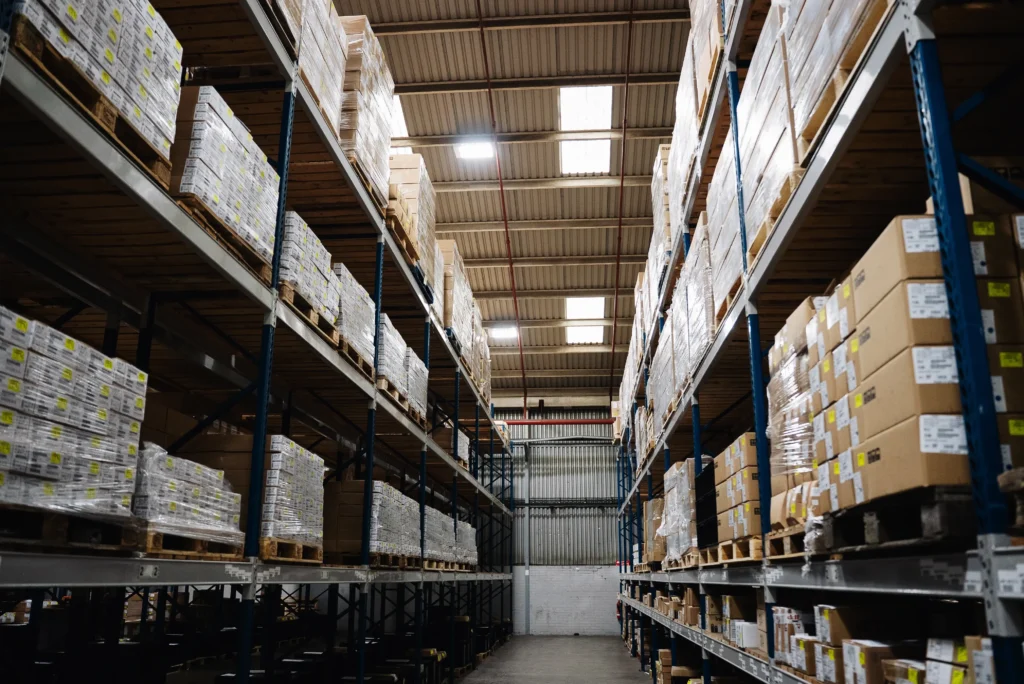
Why Peak Season Exposes the Limits of In-House Warehousing
Most retail warehousing is sized for average demand, not peak demand. That works well for most of the year, but it creates a problem the moment volumes spike.
The most common issues retailers run into during peak season include:
- Running out of physical space as inventory builds ahead of seasonal demand.
- Picking and packing teams struggling to keep pace, leading to slower dispatch times.
- Limited flexibility to bring on extra hands quickly when order volumes spike.
- Reduced accuracy under pressure, increasing the risk of mis-picks and returns.
None of these issues are unusual. They are a predictable consequence of fixed infrastructure meeting variable demand.
What Third-Party Warehousing Actually Provides
Third-party warehousing gives retailers access to additional space, labour, and systems on a flexible basis, scaled to match demand rather than sized for it year-round.
Scalable Space Without Long-Term Commitment
Storage requirements during peak season look very different from the rest of the year. Third-party warehousing lets retailers increase their space during high-demand periods and scale back once volumes return to normal, without taking on fixed costs for capacity that only gets used a fraction of the time.
Why Peak Season Exposes the Limits of In-House Warehousing
Most retail warehousing is sized for average demand, not peak demand. That works well for most of the year, but it creates a problem the moment volumes spike.
The most common issues retailers run into during peak season include:
- Running out of physical space as inventory builds ahead of seasonal demand.
- Picking and packing teams struggling to keep pace, leading to slower dispatch times.
- Limited flexibility to bring on extra hands quickly when order volumes spike.
- Reduced accuracy under pressure, increasing the risk of mis-picks and returns.
None of these issues are unusual. They are a predictable consequence of fixed infrastructure meeting variable demand.
What Third-Party Warehousing Actually Provides
Third-party warehousing gives retailers access to additional space, labour, and systems on a flexible basis, scaled to match demand rather than sized for it year-round.
Scalable Space Without Long-Term Commitment
Rather than leasing additional space that sits unused for most of the year, retailers can flex their storage footprint up during peak periods and back down once demand settles.
Trained Teams Ready to Handle Volume
Third-party warehouses are typically staffed and resourced to handle fluctuating demand. That means picking and packing capacity is already in place rather than needing to be recruited and trained under time pressure.
Systems Built for Visibility
Good third-party warehousing comes with inventory and order management systems that give retailers real-time visibility of stock levels and order status, even during the busiest weeks of the year.
Planning Ahead of Peak Season
The retailers who handle peak season most smoothly are rarely the ones reacting once volumes spike. They are the ones who have planned their warehousing requirements in advance.
- Forecast volume increases based on previous peak periods and current sales trends.
- Agree storage and labour requirements with a warehousing partner well ahead of peak demand.
- Confirm system integration between your sales channels and the warehouse’s order management platform.
- Plan for returns capacity, since peak season is typically followed by a surge in returns shortly after.
Frequently Asked Questions
How far ahead should retailers plan for peak season warehousing?
Most retailers should begin planning at least three to four months ahead of their busiest period, particularly if additional space or system integration is required.
Is third-party warehousing only useful for very large retailers?
No. Smaller retailers often benefit the most, since flexible warehousing lets them handle seasonal spikes without the capital investment of expanding their own facilities.
Does third-party warehousing work alongside an existing warehouse?
Yes. Many retailers use their own warehouse for standard operations and bring in additional third-party capacity specifically to absorb peak demand.
Preparing for Peak Season With the Right Partner
Peak season is one of the most commercially important periods of the year for most retailers, and one of the easiest to get wrong without the right infrastructure in place. Third-party warehousing gives retailers the flexibility to scale up confidently, without carrying that capacity for the rest of the year.