Most businesses manage their own stock. They track what they have, decide when to reorder, and place purchase orders when levels fall below a certain threshold.
It works. But it also takes time, requires consistent attention, and depends on accurate forecasting to avoid either running short or holding too much.
Vendor Managed Inventory, or VMI, is an arrangement that shifts much of that responsibility. Instead of the buyer managing replenishment, the supplier takes ownership of monitoring stock levels and initiating restocking when needed.
It is a model that suits certain businesses well. Understanding how it works helps in deciding whether it is right for your business.
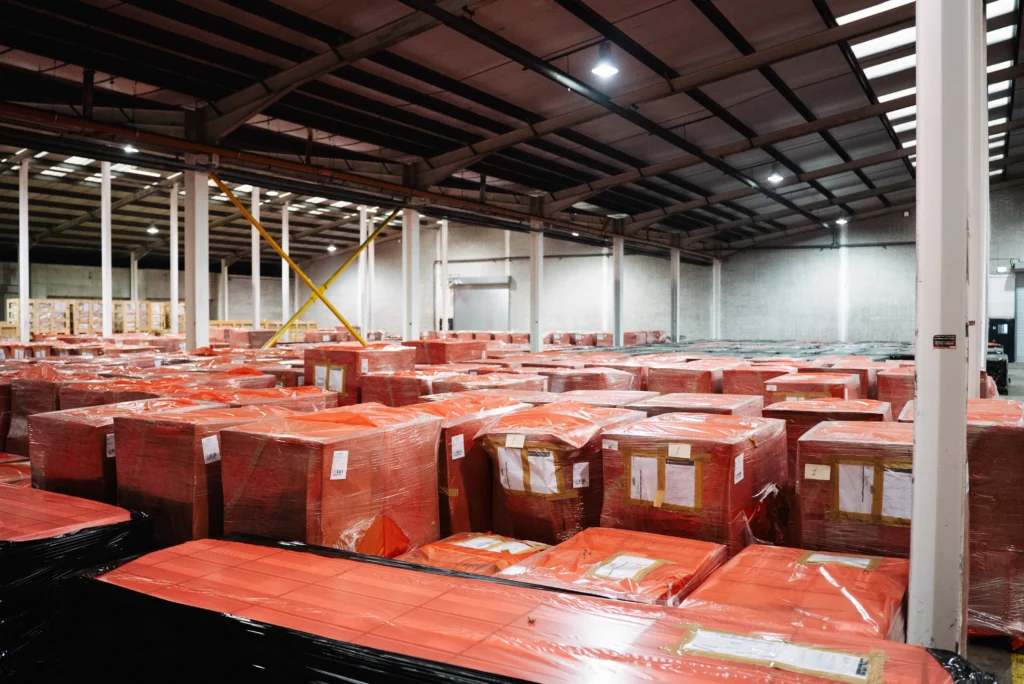
How VMI Works in Practice
In a standard supply arrangement, the buyer monitors stock, decides when to reorder, and sends a purchase order to the supplier. The supplier fulfils the order and the cycle continues.
With VMI, the supplier is given visibility of the buyer’s stock levels, either through shared systems or regular reporting. Using that information, the supplier decides when to replenish and arranges delivery accordingly, often without a purchase order being raised by the buyer at all.
The buyer receives goods when they are needed. The supplier manages the timing and volume of those deliveries based on agreed parameters.
It requires a degree of trust and transparency between both parties, but when it works well, it removes a significant layer of administrative overhead from the buyer’s operations.
The Benefits for Businesses
For businesses that import regularly or rely on consistent stock availability, VMI can offer several practical advantages.
Stock management becomes less reactive. Because the supplier is monitoring levels and responding before shortages develop, businesses are less likely to find themselves caught short at a critical moment.
Internal resource is freed up. The time spent tracking inventory, raising purchase orders, and chasing deliveries can be redirected elsewhere. For smaller teams in particular, that can make a meaningful difference.
Supplier relationships tend to deepen. When a supplier is actively invested in keeping your operations running smoothly, the dynamic shifts from transactional to collaborative. Communication improves, and both parties have a shared interest in the arrangement performing well.
What VMI Requires to Work Well
VMI is not a passive arrangement for either party. It works best when certain conditions are in place.
Reliable data sharing is essential. The supplier needs accurate, timely visibility of stock levels to make good decisions. If that information is incomplete or delayed, the model breaks down quickly.
Clear parameters need to be agreed upfront. Minimum and maximum stock thresholds, lead times, delivery frequencies, and escalation procedures all need to be defined before the arrangement begins.
The supplier needs to have the capability to manage it. Not every supplier is equipped to take on the responsibility effectively. Warehousing capacity, logistics infrastructure, and the systems to track and respond to stock data all matter.
When VMI Makes the Most Sense
VMI tends to work best in specific circumstances.
Where demand is relatively predictable, the supplier can plan replenishment with confidence. Highly variable or seasonal demand can make VMI more complicated to manage, though not impossible with the right framework in place.
Where there is an established relationship between buyer and supplier, the trust and communication required for VMI are easier to sustain. It is harder to introduce into a new or arms-length supplier relationship.
Where the buyer is managing a high volume of product lines, VMI can reduce the complexity significantly. Businesses that spend considerable internal time on stock management often find the shift most impactful.
VMI as Part of a Broader Logistics Solution
For many businesses, VMI sits alongside broader warehousing and distribution arrangements rather than replacing them. The most effective implementations tend to involve a logistics partner who can provide the physical infrastructure, the systems visibility, and the operational expertise to make the model run reliably.
At IFS, Vendor Managed Inventory is one of the services available as part of a wider warehousing and supply chain offering. The team works with businesses to understand their stock management challenges and build arrangements that reduce pressure on internal resource while keeping supply consistent.
For businesses considering whether VMI could work for them, the starting point is usually a conversation about how current stock management is working and where the friction sits.