Warehousing has evolved far beyond its traditional role as a place to store goods. It is now a core strategic function that directly influences supply chain performance, customer satisfaction, and business growth. Modern warehouses operate as control centres for inventory, data, and distribution, enabling companies to reduce costs, manage risk, and respond faster to market demand.
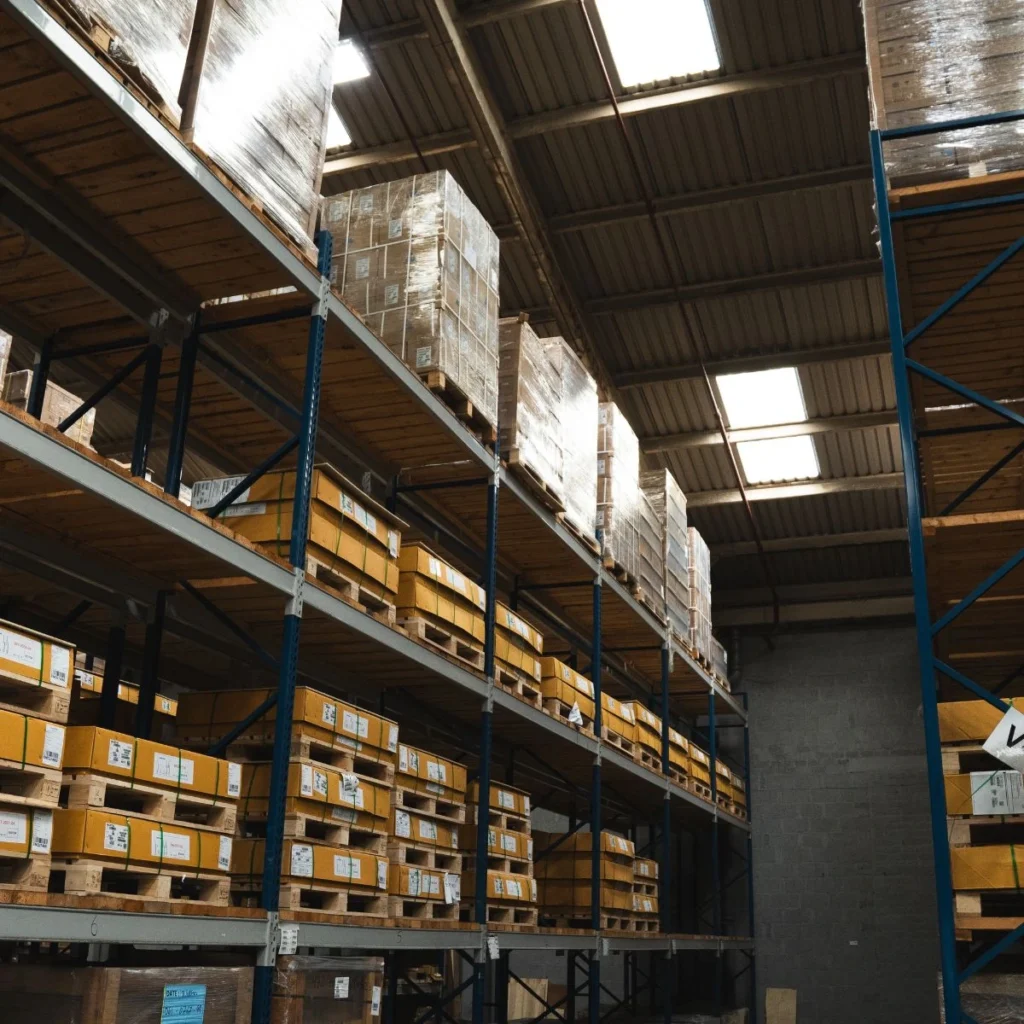
This shift has positioned warehousing as a competitive advantage rather than a fixed overhead. For businesses working with an integrated logistics partner like IFS Group, warehousing becomes a powerful tool to improve efficiency, resilience, and scalability across the entire supply chain.
Warehousing’s Evolution: From Storage Space to Supply Chain Engine
Traditional warehouses existed mainly to hold inventory. Modern facilities, by contrast, function as operational hubs that connect suppliers, manufacturers, transport providers, and end customers. According to industry logistics research, warehousing now supports activities such as inventory optimisation, cross-docking, packaging, labelling, and order fulfilment — all of which directly impact speed to market and cost control.
Strategic warehousing enables organisations to:
- Position inventory closer to customers
- Consolidate shipments to lower transportation costs
- Improve order accuracy and fulfilment speed
- Maintain consistent stock availability across multiple channels
- Gain better visibility over inventory flows
These capabilities turn warehousing into an active driver of supply chain value, not a passive storage function.
Why Warehousing Has Become a Strategic Asset
1. It Strengthens Supply Chain Resilience
Supply chain disruptions, fluctuating demand, and geopolitical uncertainty have increased the importance of buffer capacity and network flexibility. Strategically located warehouses allow businesses to:
- Hold safety stock closer to key markets
- Reroute inventory quickly when transport routes change
- Reduce dependency on single sourcing or single facilities
By outsourcing warehousing to an experienced logistics provider like IFS Group, companies can access scalable infrastructure without the long-term financial and operational risks of owning their own facilities.
2. It Improves Operational Agility and Speed
Warehouses are central to lead-time reduction. When storage, fulfilment, and transport coordination are integrated, businesses can respond faster to both customer orders and upstream supply changes.
IFS Group’s warehousing solutions support:
- Faster inbound processing and outbound dispatch
- Cross-docking to minimise storage time
- Flexible capacity for seasonal and promotional surges
- Smoother coordination with freight forwarding and transport services
This agility allows organisations to meet tighter delivery windows while controlling logistics costs.
3. It Delivers Data, Visibility, and Control
The modern warehouse is as much a data environment as a physical one. Warehouse management systems (WMS) enable real-time tracking of:
- Inventory levels
- Stock locations
- Order status
- Throughput performance
This visibility supports better forecasting, lower stockholding costs, and improved decision-making. Integrated warehousing — like the solutions delivered by IFS Group — provides clients with greater transparency across inventory, transport, and distribution activities, reducing errors and inefficiencies.
4. Location Has Become a Competitive Advantage
The strategic value of warehousing is closely linked to where facilities are positioned. Proximity to ports, airports, road networks, and customer markets directly influences delivery times and transport spend.
IFS Group’s warehousing operations in Northern Ireland provide a strong base for:
- UK and EU market access
- Cross-border trade flows
- Import/export coordination
- Integrated freight and storage solutions
This geographic positioning allows businesses to centralise inventory while still serving multiple regions efficiently.
5. Integrated Warehousing Turns Cost into Commercial Value
Warehousing reaches its full strategic potential when it is integrated with freight, customs, and transport services. Instead of managing multiple providers, businesses benefit from a unified logistics model where warehousing supports the entire supply chain.
IFS Group’s warehousing services connect directly with:
- Freight forwarding
- Customs clearance
- Inventory management
- Distribution and delivery
This integrated structure reduces handover delays, strengthens accountability, and improves overall supply chain performance — helping organisations move from reactive logistics to proactive supply chain management.
Conclusion: Warehousing as a Strategic Advantage with IFS Group
Warehousing now sits at the centre of high-performing supply chains. When supported by the right infrastructure, technology, and logistics expertise, it becomes a strategic asset that drives growth, resilience, and customer satisfaction.
IFS Group’s warehousing solutions are designed to go beyond storage — delivering:
- Flexible, scalable capacity
- Inventory visibility and control
- Seamless integration with transport and freight
- Location advantages for UK and EU trade
- Operational efficiency across the supply chain
By partnering with IFS Group, businesses can transform warehousing into a commercial advantage that strengthens performance across every stage of logistics.